Are You a Candidate for Dental Implants? Find Out Now

Dental implants have revolutionized the field of dentistry, offering a permanent solution to tooth loss that closely mimics natural teeth. However, only some are ideal candidates for this procedure. Understanding the criteria for dental implant candidacy is crucial for anyone considering this treatment option. In this guide, we will delve into the factors that determine whether you are a suitable candidate for dental implants.
What Are Dental Implants?
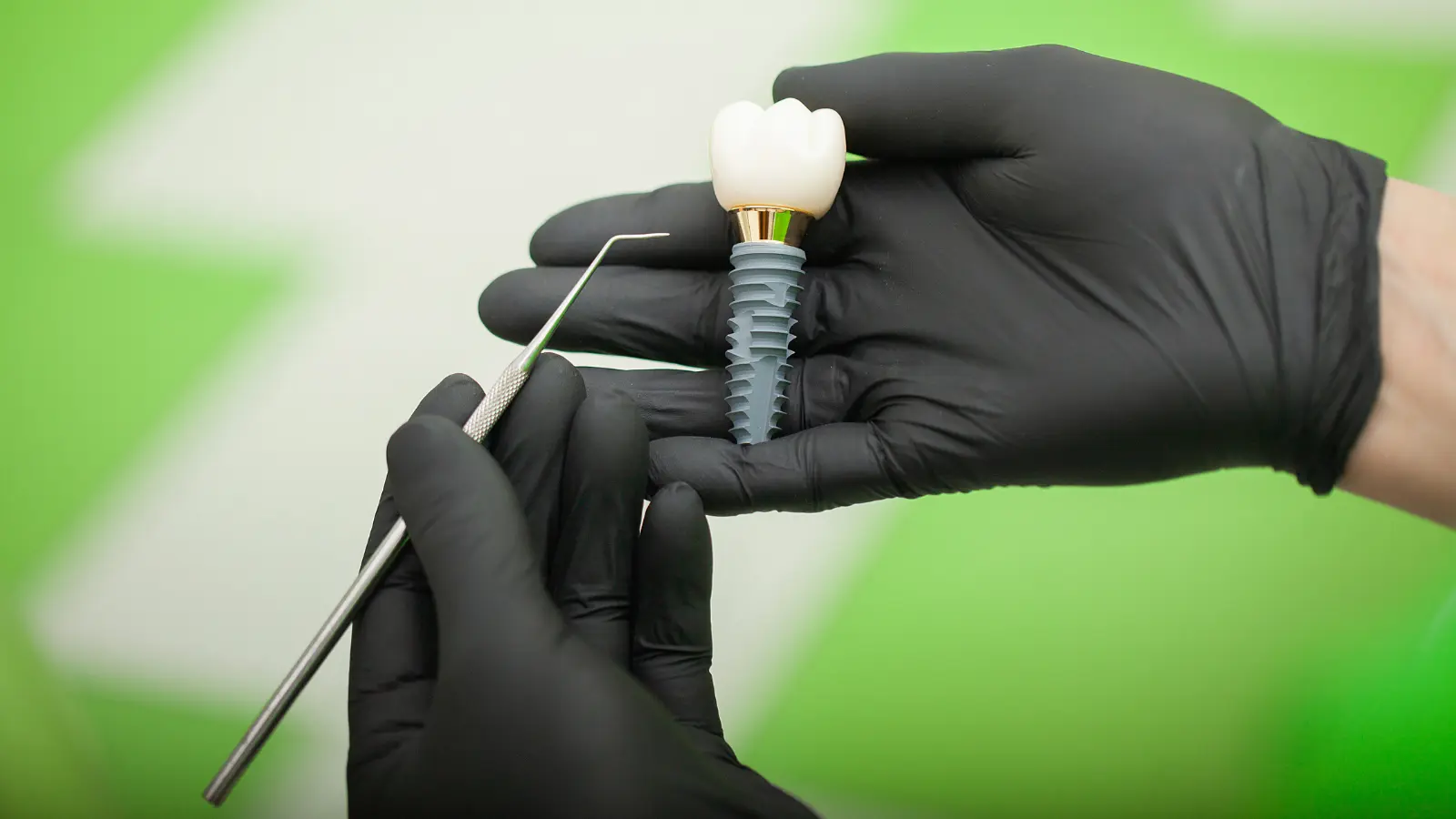
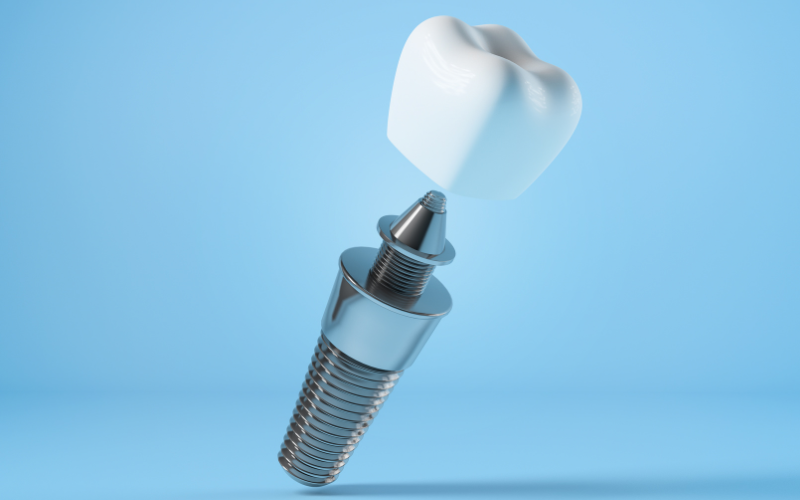
Dental implants are modern dental devices created to substitute missing teeth and revive oral function and aesthetics. They comprise three key parts: the implant, the abutment, and the crown. The implant, a small, screw-shaped post usually made of titanium, serves as the foundation. This biocompatible material is chosen for its ability to integrate with the jawbone, a process known as osseointegration, providing a durable and sturdy base for the replacement tooth.
The abutment acts as a connecting element, affixed to the top of the implant and extending above the gum line to support the crown. The crown, resembling a natural tooth, is the visible portion of the dental implant. It is tailor-made to match the color, shape, and size of your existing teeth, ensuring a seamless integration with your smile.
Who Is a Candidate for Dental Implants?
While dental implants offer numerous benefits, only some are suitable candidates for this procedure. Several factors determine whether you qualify for dental implants, including:
Sufficient Jawbone Density: Adequate jawbone density is essential to support the dental implant. If you have experienced bone loss, you may require a bone graft before undergoing implant surgery. Your dentist will assess your jawbone density using X-rays or CT scans to determine if you are a suitable candidate.
Good Oral Health: Candidates for dental implants should have healthy gums and be free of periodontal disease. Any existing dental issues, such as cavities or gum disease, should be addressed before implant surgery. Your dentist will conduct a thorough examination of your oral health to ensure that your gums and teeth are in good condition before proceeding with the implant procedure.
Overall Health: Your overall health plays a significant role in determining your candidacy for dental implants. Conditions such as uncontrolled diabetes, cancer, or immune disorders may impact your ability to undergo implant surgery. It is important to discuss your medical history with your dentist to determine if you are a suitable candidate for dental implants.
Non-smoking individuals: Tobacco use can hinder the healing process and heighten the likelihood of dental implant failure. Those suitable for dental implants are usually non-smokers or prepared to quit smoking before the procedure. Stopping smoking is crucial not just for the effective outcome of the implant procedure but also for general health.
Dedication to Oral Care: Consistent oral hygiene practices are essential for the triumph of dental implants. Candidates should be dedicated to regular brushing, flossing, and dental examinations. Your dentist will give you guidance on how to maintain your dental implants for their prolonged success.
Age Consideration: While age itself is not a determining factor for dental implant candidacy, the jawbone must finish growing before implants are placed. This typically occurs around the late teens or early twenties. Older adults can also be candidates for dental implants as long as they meet the other criteria.
Bone Grafting: In cases where there is insufficient jawbone density, bone grafting may be necessary to build up the bone before implant placement. This procedure can help ensure the long-term success of dental implants in patients with bone loss.
Medical Conditions: Certain medical conditions, such as heart disease and high blood pressure, may require special considerations before undergoing dental implant surgery. It is important to discuss your medical history with your dentist to determine if any precautions need to be taken.
How Do Dental Implants Work?
The process of getting dental implants typically involves several steps:
Consultation and Planning: Your dentist will assess your oral health, take X-rays, and discuss your treatment options. A customized treatment plan will be created based on your specific needs.
Implant Placement: During the first surgical procedure, the implant is placed into the jawbone. Over the next few months, the implant will fuse with the jawbone through osseointegration, becoming a permanent part of your mouth.
Abutment Placement: Once osseointegration is complete, a second surgery may be performed to attach the abutment to the implant. The abutment serves as a connector for the crown.
Crown Placement: Finally, the custom-made crown is attached to the abutment, completing the dental implant process. The crown is adjusted to ensure a comfortable bite and a natural-looking smile.
Benefits of Dental Implants
Certainly! Here’s an expanded section on the benefits of dental implants, highlighting additional advantages of this tooth replacement option:
Natural Appearance: Dental implants provide a natural appearance, closely resembling the look and feel of real teeth. The crown is uniquely crafted to match the color, shape, and size of your natural teeth, ensuring a seamless blend with your smile.
Improved Oral Health: Unlike traditional bridges, which require the alteration of adjacent teeth for support, dental implants preserve the integrity of surrounding teeth. This helps maintain overall oral health and reduces the risk of future dental issues.
Durability: Dental implants are designed to be a long-term solution for tooth replacement. With proper care, including regular brushing, flossing, and dental check-ups, implants can last a lifetime, making them a worthwhile investment in your oral health.
Preservation of Jawbone: When a tooth is lost, the jawbone can begin to deteriorate over time due to lack of stimulation. Dental implants stimulate the jawbone, preventing bone loss and maintaining the natural shape of your face.
Dental implants are a remarkable solution for individuals dealing with tooth loss. They provide a permanent and natural-looking alternative that can significantly enhance both oral health and overall well-being. However, it’s crucial to remember that only some may be suitable candidates for this procedure. If you are considering dental implants, it is important to consult with your dentist or oral surgeon. They can provide you with personalized advice and guidance based on your individual needs and circumstances. With the right information and support, you can make an informed decision about whether dental implants are the right choice for restoring your smile and oral health.