

Cracked Tooth Syndrome: How Root Canal Therapy Can Help

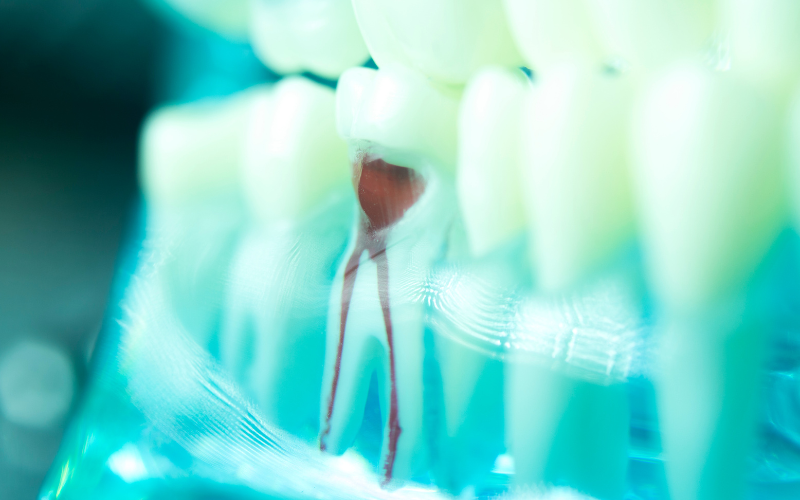
Cracked Tooth Syndrome (CTS) is a dental condition that can cause discomfort and compromise your oral health. Fortunately, modern dentistry offers an effective solution: root canal therapy. In this comprehensive guide, we’ll explore the causes and symptoms of CTS, delve into the intricacies of root canal therapy, and highlight its effectiveness in saving cracked teeth.
Understanding Cracked Tooth Syndrome
Cracked Tooth Syndrome (CTS) is a dental condition that often goes unnoticed but can cause significant discomfort and damage if left untreated. It occurs when a tooth has a crack that extends into the dentin or pulp, the innermost layer of the tooth. These cracks can vary in size and severity, ranging from superficial cracks on the surface of the tooth to deep cracks that extend into the root. Several factors can contribute to the development of CTS, including:
- Teeth Grinding: Habitual teeth grinding, also known as bruxism, can exert excessive pressure on the teeth, leading to cracks over time.
- Biting Hard Objects: Chewing on hard objects like ice, pens, or hard candies can cause trauma to the teeth and increase the risk of developing cracks.
- Large Fillings: Teeth that have large fillings are more prone to cracking, as the filling material can weaken the tooth’s structure over time.
The Role of Root Canal Therapy
Root canal therapy plays a crucial role in saving teeth affected by Cracked Tooth Syndrome (CTS) and other dental issues. Despite its reputation, root canal therapy is more manageable than it sounds. It’s a common and effective procedure that can alleviate pain and save your natural tooth. Contrary to common belief, root canal therapy is relatively painless, as it is performed under local anesthesia to numb the affected area. The procedure involves several steps:
- Accessing the Tooth: The dentist creates a small opening in the tooth to access the infected pulp.
- Removing the Infected Pulp: Using specialized tools, the dentist carefully removes the infected or damaged pulp from the root canals.
- Cleaning and Shaping the Root Canals: The dentist cleans and shapes the root canals to remove any remaining bacteria and prevent further infection.
- Filling and Sealing the Tooth: Once the root canals are cleaned, they are filled with a biocompatible material called gutta-percha and sealed to prevent recontamination.
- Restoring the Tooth: In most cases, a crown is placed on the tooth to protect it and restore its function and appearance.
Benefits of Root Canal Therapy for Cracked Teeth
Prevents Tooth Loss: One of the primary benefits of root canal therapy is that it helps prevent the loss of a tooth. By removing the infected pulp and sealing the tooth, root canal therapy can save a tooth that would otherwise require extraction.
Restores Chewing Functionality: Cracked teeth can make chewing difficult and painful. Root canal therapy restores the tooth’s structure and function, allowing you to chew food comfortably and effectively.
Preserves Jawbone Density: Tooth loss due to untreated cracked teeth can lead to jawbone deterioration over time. By saving the natural tooth, root canal therapy helps maintain the integrity of the jawbone.
Prevents Shifting of Teeth: When a tooth is lost, the surrounding teeth may start to shift or move out of place, leading to bite problems and misalignment. Root canal therapy prevents this by preserving the natural tooth and maintaining the alignment of surrounding teeth.
Cost-Effective Solution: Compared to tooth extraction followed by replacement options like dental implants or bridges, root canal therapy is often a more cost-effective solution in the long run. It avoids the need for additional procedures and replacements.
Improves Overall Quality of Life: Cracked teeth can cause significant pain and discomfort, impacting your quality of life. Root canal therapy not only relieves pain but also restores your smile’s aesthetics and functionality, improving your overall quality of life.
Cracked Tooth Syndrome can be a painful and concerning dental condition, but root canal therapy offers a reliable solution. By understanding the causes and symptoms of CTS and the benefits of root canal therapy, you can make informed decisions about your oral health. If you’re experiencing symptoms of CTS, consult your dentist to determine the best course of treatment and restore the health and beauty of your smile.